
A royal story, still unfolding
Originally the site of a Tudor Palace commissioned by Henry VIII in 1538, the Oatlands Estate has welcomed Kings and Queens, Emperors and Earls, Dukes and Duchesses across the centuries.
Though the Palace was ultimately lost to fire, Oatlands endured — and the hotel you see today was built at the turn of the 18th century. It remains a place where heritage and hospitality meet in timeless elegance.
The history of Weybridge & Oatlands
Discover how the palace, the railway, the riverside and the Surrey commuter belt shaped the Weybridge we know today — and how Oatlands Park Hotel sits at the heart of every chapter.
Read the full featureThe history of Weybridge · Oatlands Park Hotel
From Henry VIII's riverside palace to the Edwardian South Western Hotel, the arrival of the London & South Western Railway and the Surrey of today — a complete walk through five centuries of change along the River Wey.
Timeline
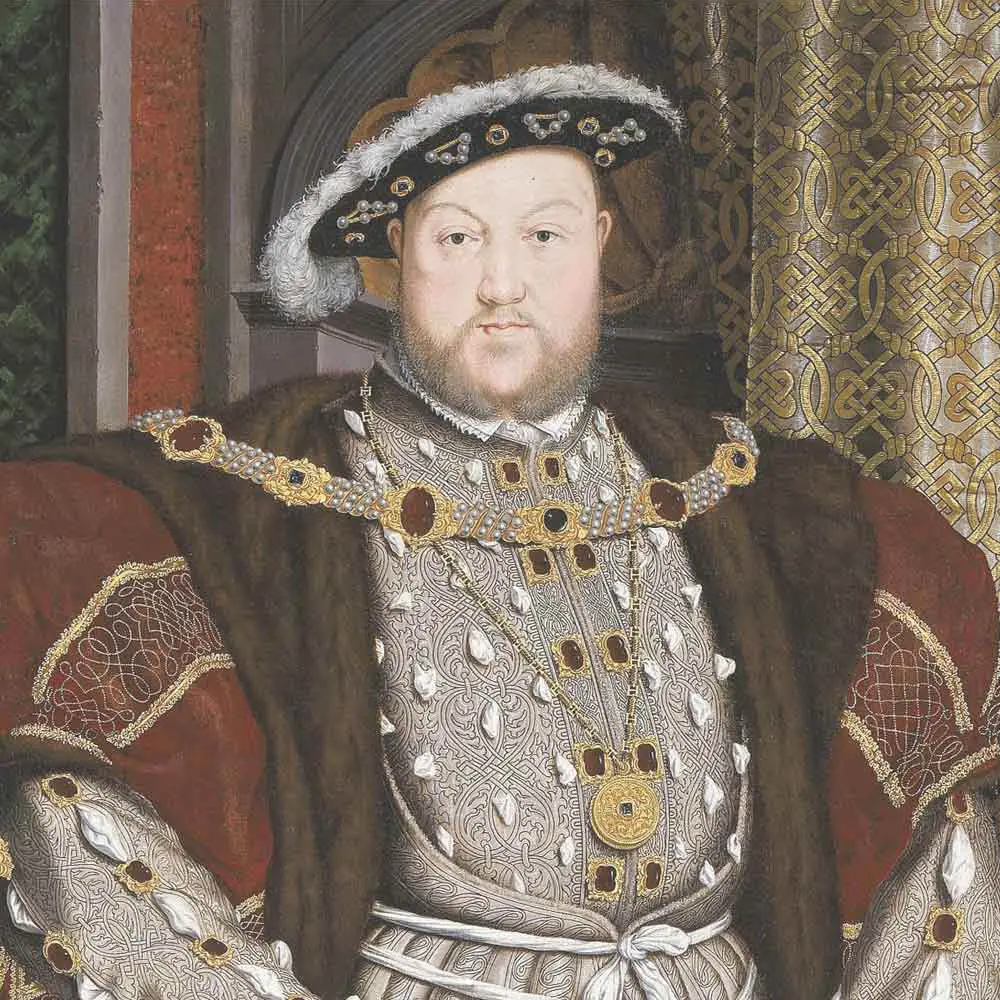
Henry VIII acquired the land to build Oatlands Palace for his future Queen, Anne of Cleves.
After the annulment in 1540, it is thought Henry secretly married Catherine Howard in the chapel at Oatlands. Edward VI, Queen Mary and Elizabeth I later stayed here, with Elizabeth using it as a favoured hunting lodge.
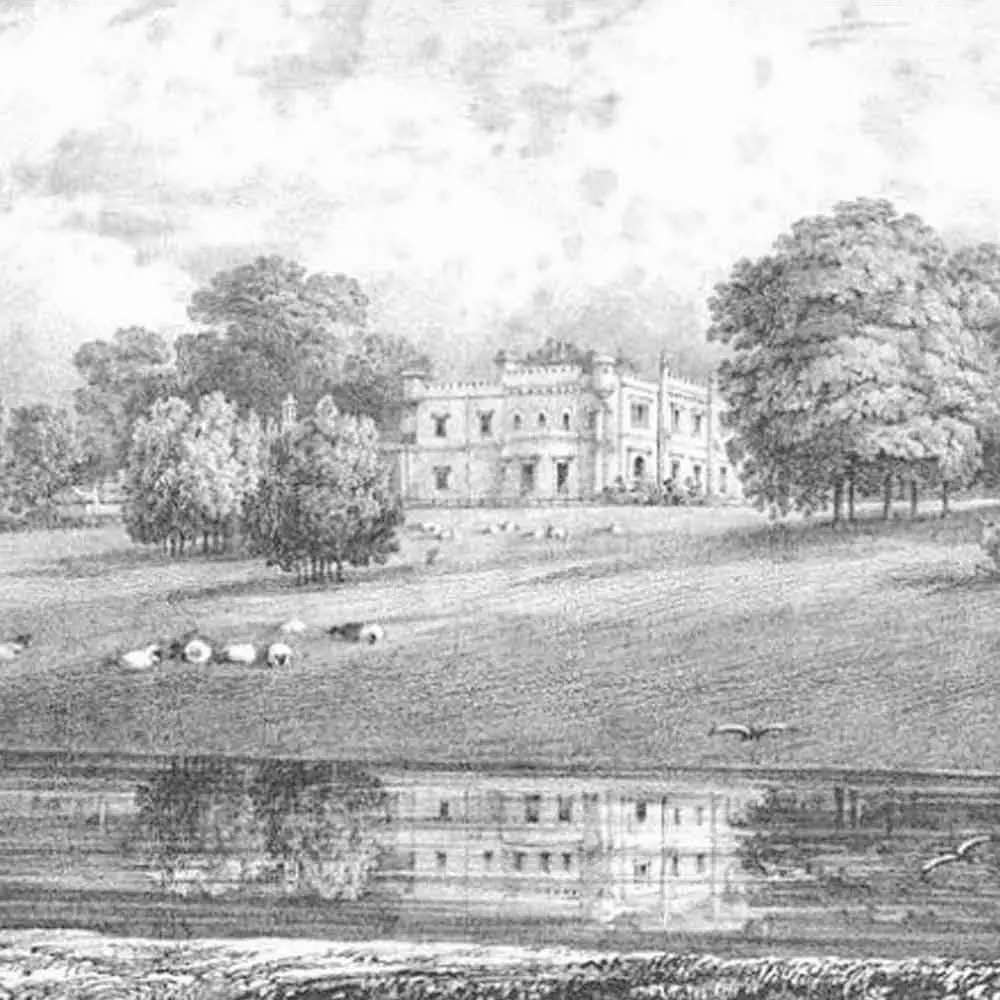
James I and Queen Anne invested heavily in rebuilding parts of the palace and founded “The King’s Silk Works”.
In 1630, John Tradescant the Elder was appointed Keeper of His Majesty’s Gardens, bringing rare plants from around the globe before his son succeeded him in 1638.
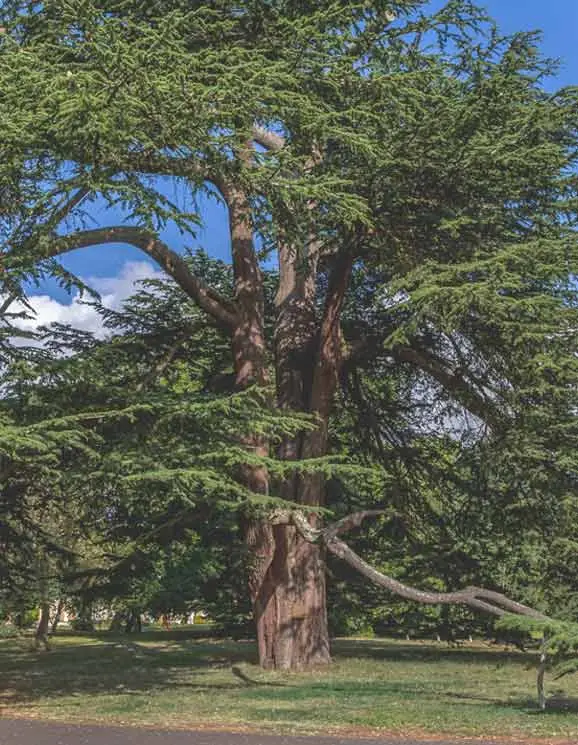
Charles I’s third son, Henry (1st Duke of Gloucester), was born at Oatlands. The ancient cedar by the hotel’s main drive is thought to have been planted to honour his birth.
After Charles I was executed in 1649, the palace was demolished during Oliver Cromwell’s reign and the estate was sold, leaving only a hunting lodge.
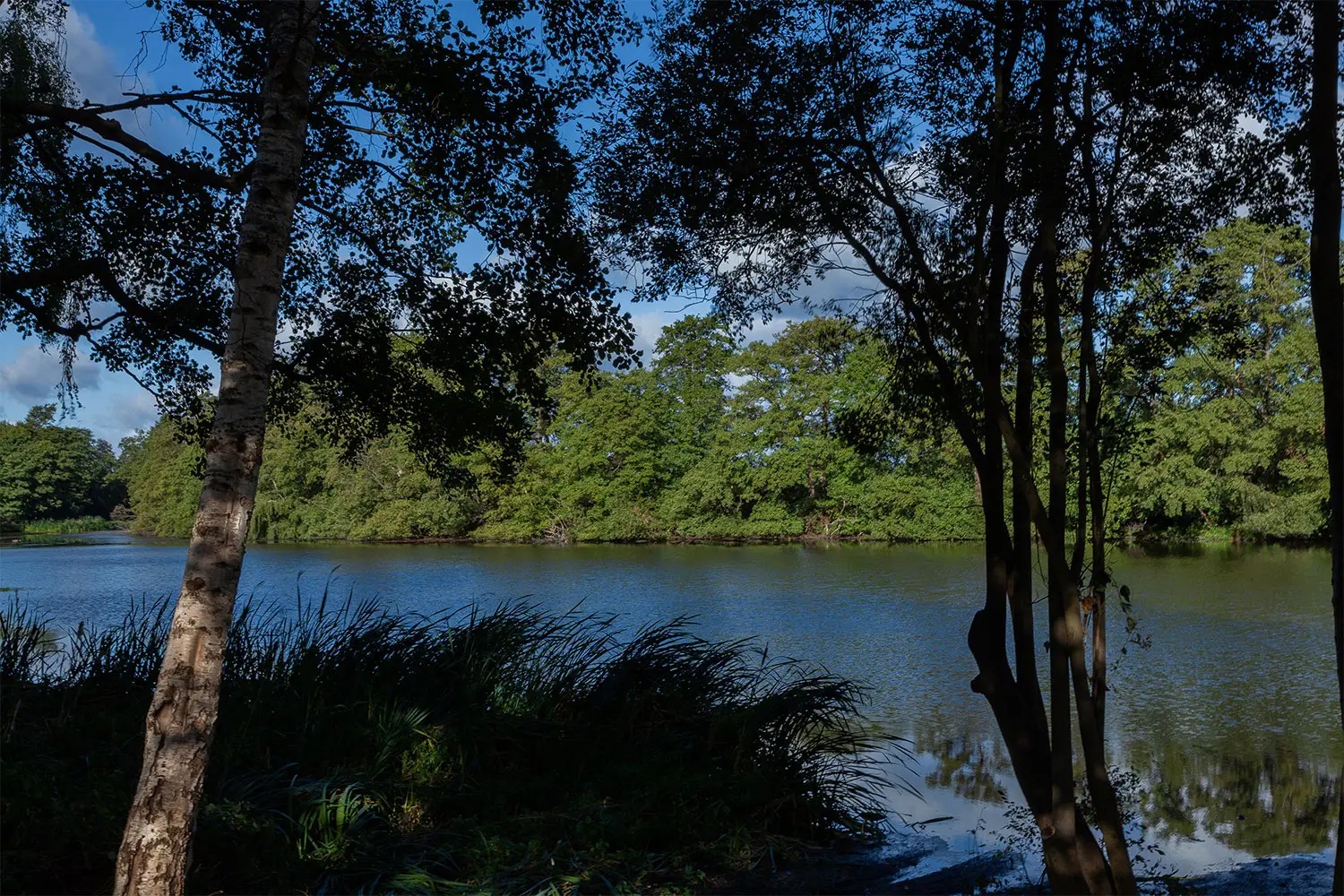
Over 150 years the house and grounds were remodelled by wealthy tenants, from Sir Edward Herbert to the Earl of Torrington.
The 7th Earl of Lincoln shaped the high lawned terrace, while the Duke of Newcastle rebuilt and enlarged the house. His coat of arms can still be seen on the main entrance gates.
Oatlands was leased from the Crown to Prince Frederick, Duke of York. The house burnt down in 1794 and was rebuilt in a Gothic style.
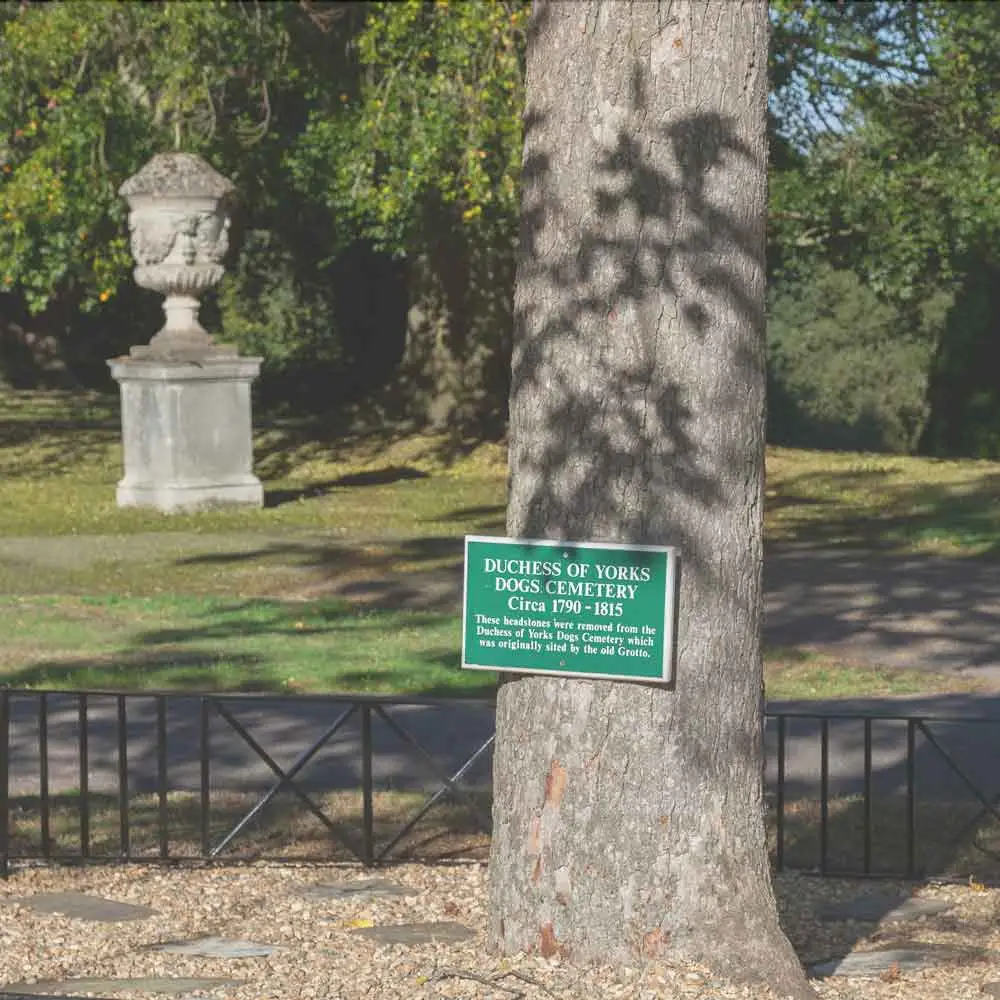
The Duchess of York lived here until her death and created a dog’s cemetery for her beloved pets, which can still be seen in the gardens today.
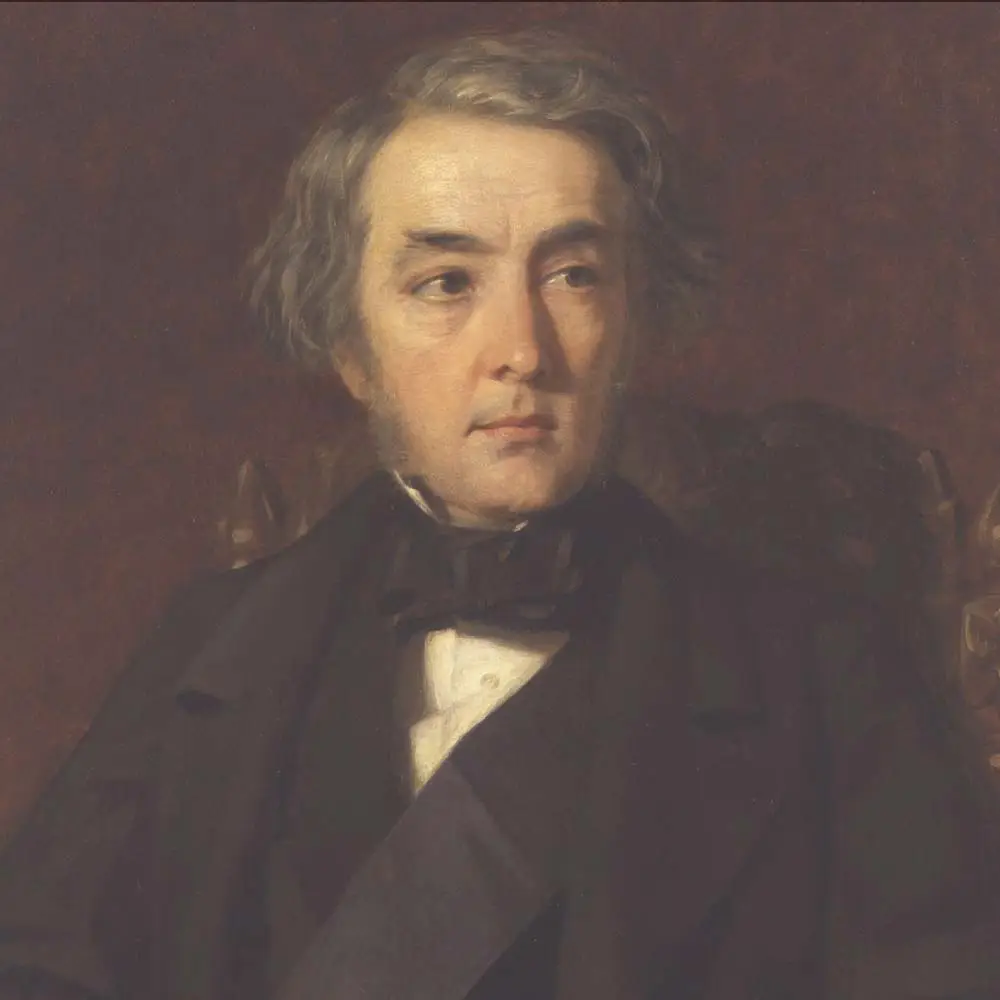
Edward Hughes Ball Hughes, known as “The Golden Ball”, bought the estate and made extensive alterations. In 1829 the estate was put up for auction to cover debts.
It was later leased to Lord Francis Egerton. The arrival of the London & South Western Railway made the area increasingly sought-after for development.
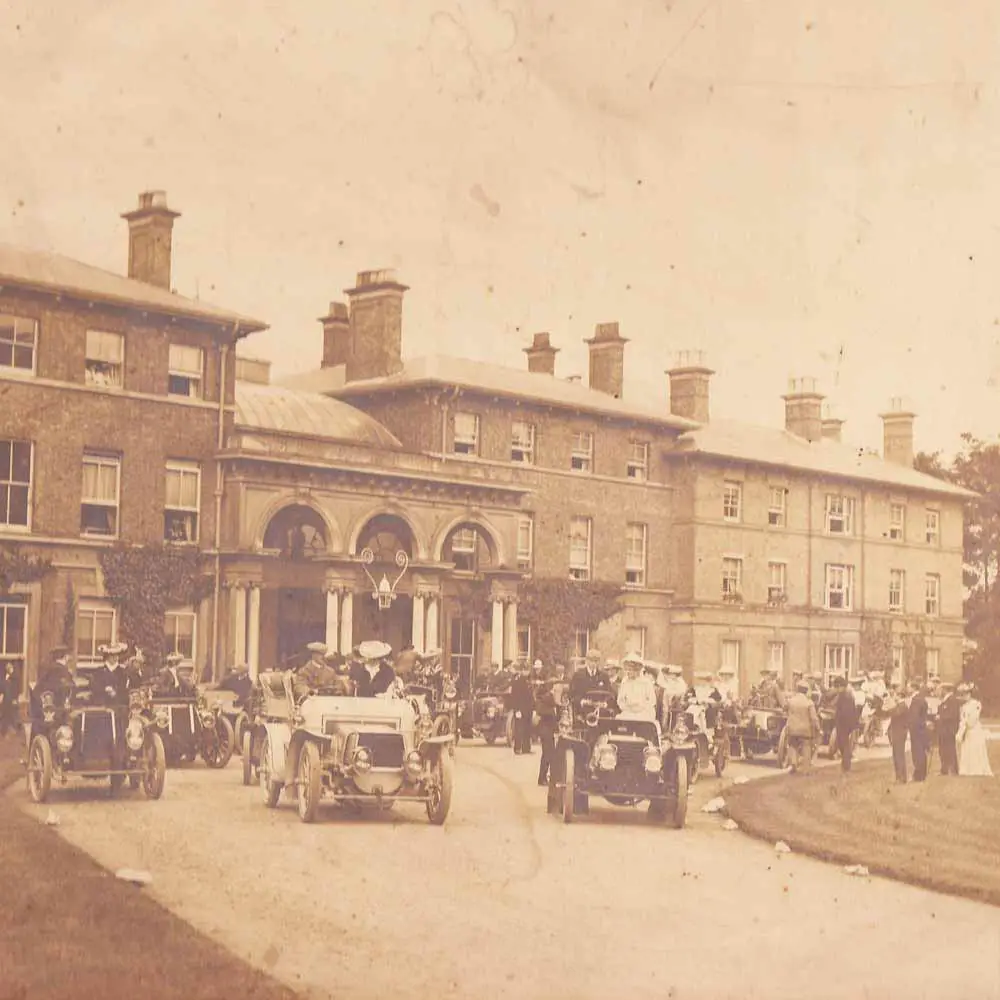
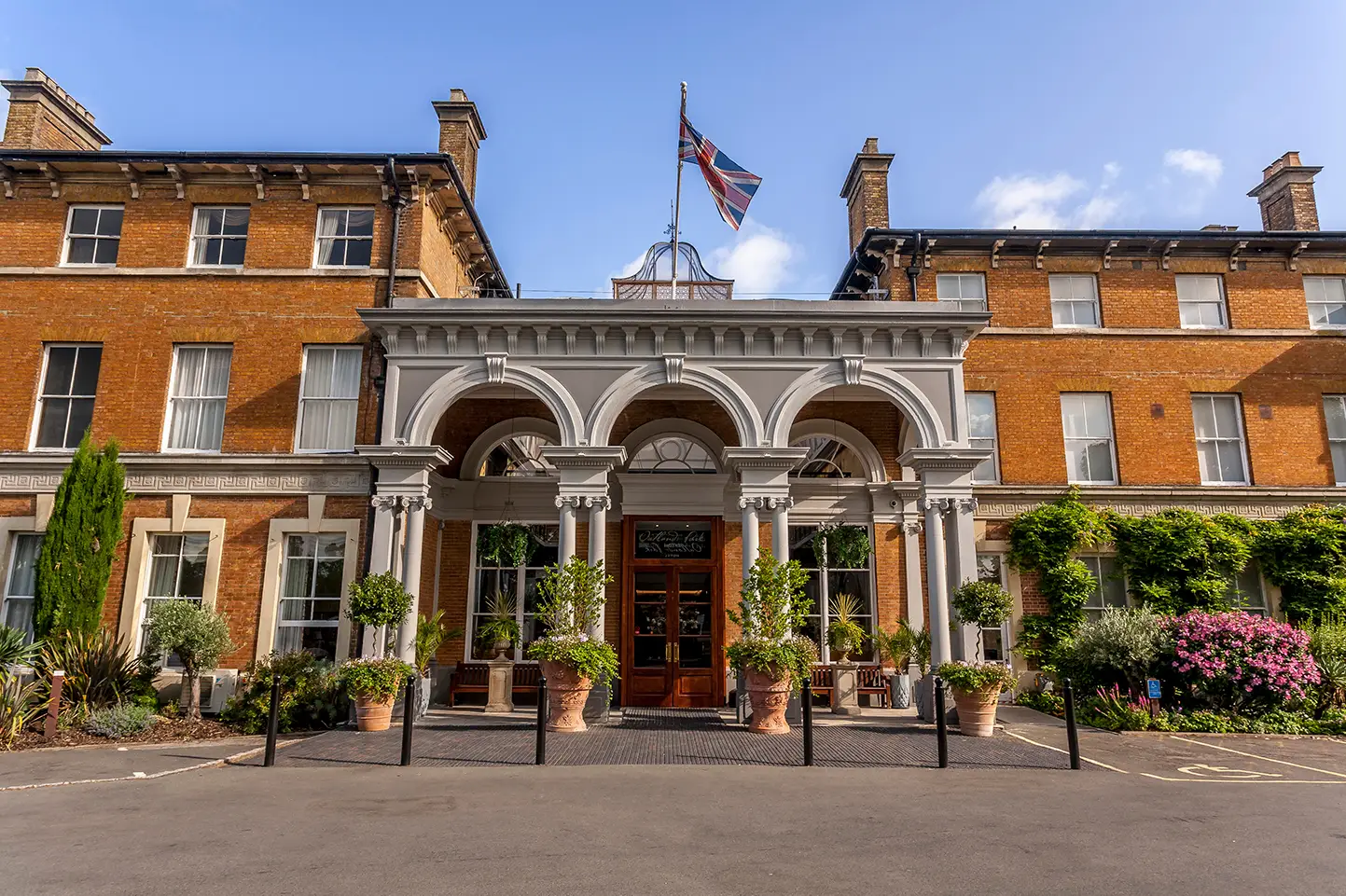
In 1856 the house and land were remodelled into the South Western Hotel, opening with Mr Peppercorne as its first manager.
Famous guests included Fanny Kemble, Emile Zola, Charles Dilke, Anthony Trollope and Edward Lear — and by 1903, the Ladies Motor Meet reflected a new age of travel.
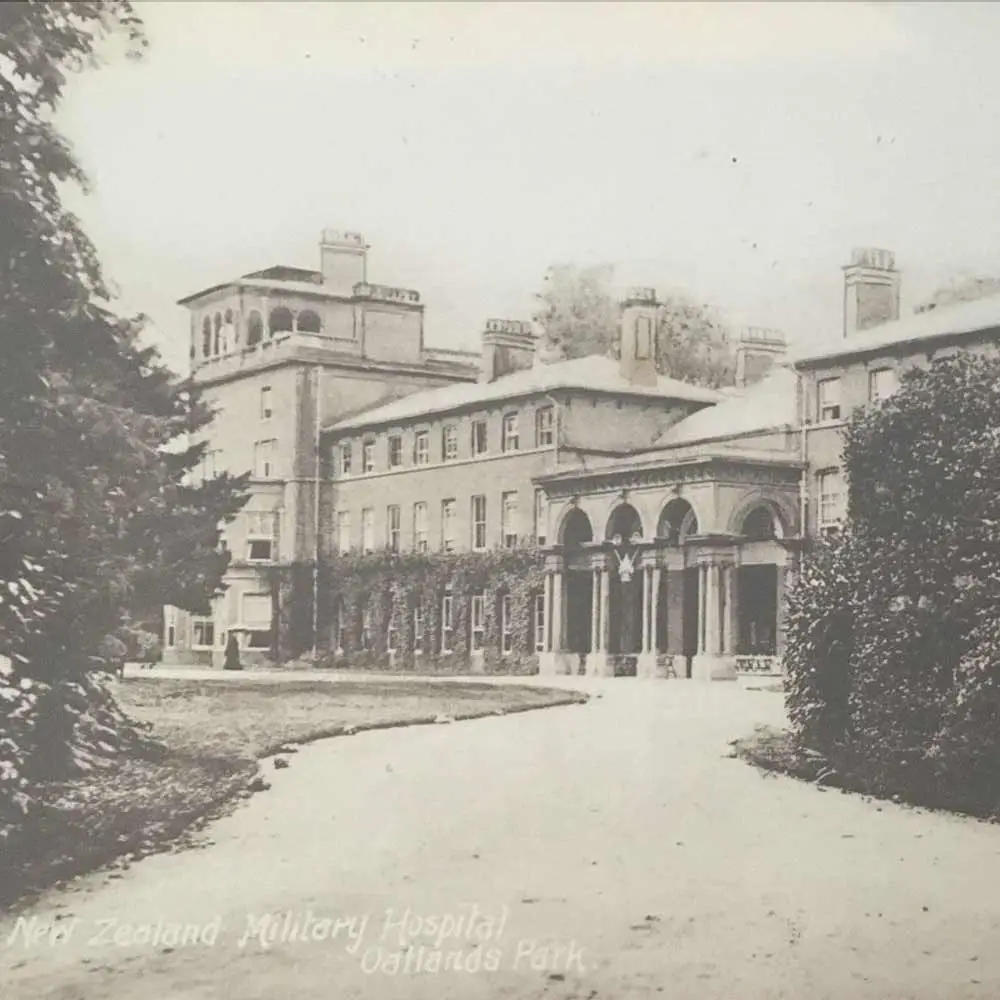
During World War One, the hotel was requisitioned as a casualty hospital for the New Zealand Forces serving in France.
After the war, the property was purchased and further developed. By the 1930s, a restaurant, ballroom and new wing had been added.
After changing hands through the 20th century, Oatlands Investments Ltd acquired the hotel in 1986.
A programme of restoration and refurbishment carried the property into an exciting modern era — preserving heritage while welcoming new celebrations.
Last updated