

BLOG
A Journey Through Time: Discovering the secrets of Weybridge
The land surrounding our hotel holds centuries of stories, from the royal footsteps of the Tudor era to the evolving landscapes of the Surrey countryside. To truly understand the heritage of this area — and the distinction between the grand Oatlands Palace and the historic hunting lodges that once dotted the horizon — one must look through the eyes of someone who has walked every inch of its paths.
By Ken Clark, Guest Author
A Unique Perspective
We are delighted to collaborate with local historian and author Ken, who has spent a few years documenting the rich narrative of our local area, diving deep into the historical archives. Having called Weybridge home since 1998 after moving from Canada, Ken brings a unique perspective shaped by a lifelong passion for history and global exploration.
In this feature, Ken delves into the archives to uncover the legacy of Broadwater Lake and the architectural evolution of the estate. For those inspired to step out and experience these chronicles firsthand, Ken’s book, Weybridge Walks, serves as the definitive guide to the walking trails that connect our modern community to its storied past.
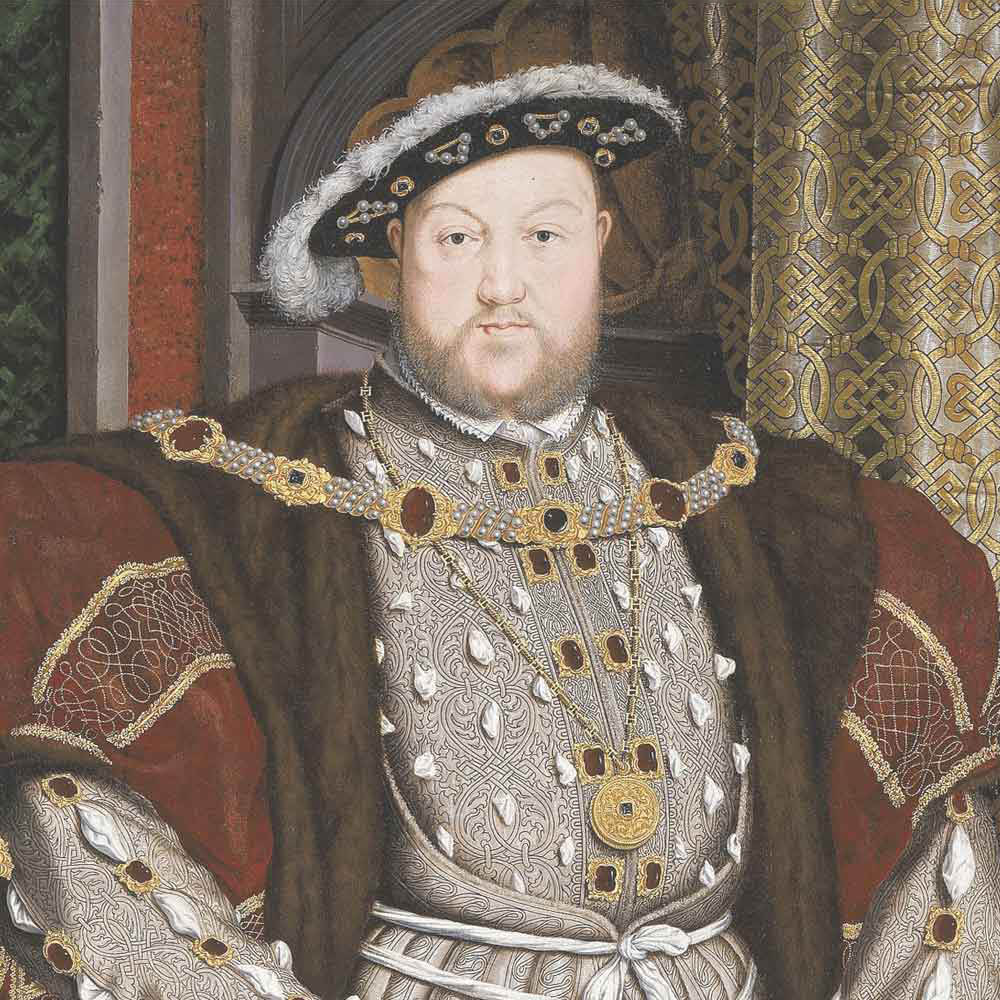
Tudors and Stuarts
We can start with Henry VIII’s (1491-1547, pictured) magnificent Oatlands Palace originally built in 1537 when he was forty-six years young and expanding his vast hunting estates centred on Hampton Court. The magnificent, varied terrain where the ancient River Wey intersects the mighty Thames would prove up to his rigorous requirements for sporting excellence. The buildings within the Palace were vast and ornate. The were many towers, courtyards, and octagonal turrets forming an imposing structure.
The Chapel contained exquisite stained-glass windows and plush velvet crimson and gold fabric on the altar. This is where Henry married Catherine Howard.
This exquisite estate would prove popular with subsequent Kings and Queens as an escape from the stench and bedlam of London.
Queen Elizabeth I (1533-1603) enjoyed hunting there as did her father and made the Palace somewhere where she could escape the cares and duties of the Monarchy.
James I (1566-1625) established pheasant breeding and the cultivation of exotic trees on the Estate as well as raising silkworms to provide material for weaving.
Queen Ann of Denmark (1574-1619), wife of James I, loved staying there so much she had the intricate structure incorporated into her portrait. She also commissioned Inigo Jones in 1616 to build a magnificent Classical Palladian Inner Tower to further enhance the splendour of the structure.
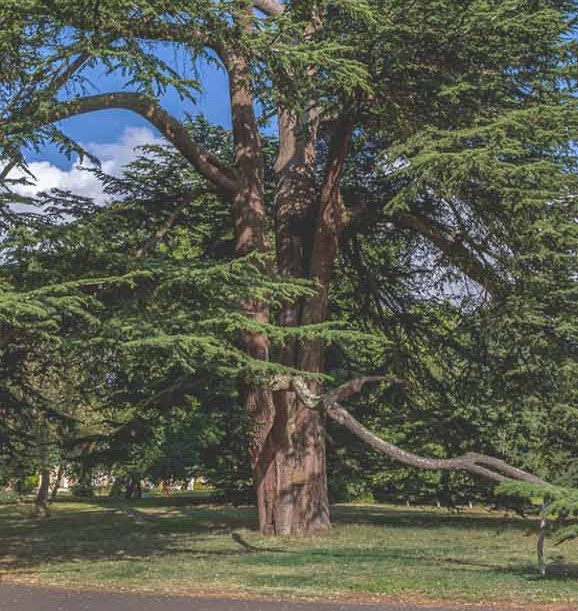
The iconic Cedar of Lebanon
A vast Cedar of Lebanon planted by King Charles I (1600-1649) in 1645 to honour his second son Henry still stands and can be seen near the entrance of the current hotel.
The tree survived the demolition of Oatlands Palace after the English Civil War and still stands as a living legacy from the Tudor era.
During the Civil War, the Palace was sold off and demolished with the bricks being repurposed to furnish the Wey Navigation System which was completed in the 1650s and runs all the way to Guildford.
Picture: Cedar of Lebanon outside the front of Oatlands Park Hotel
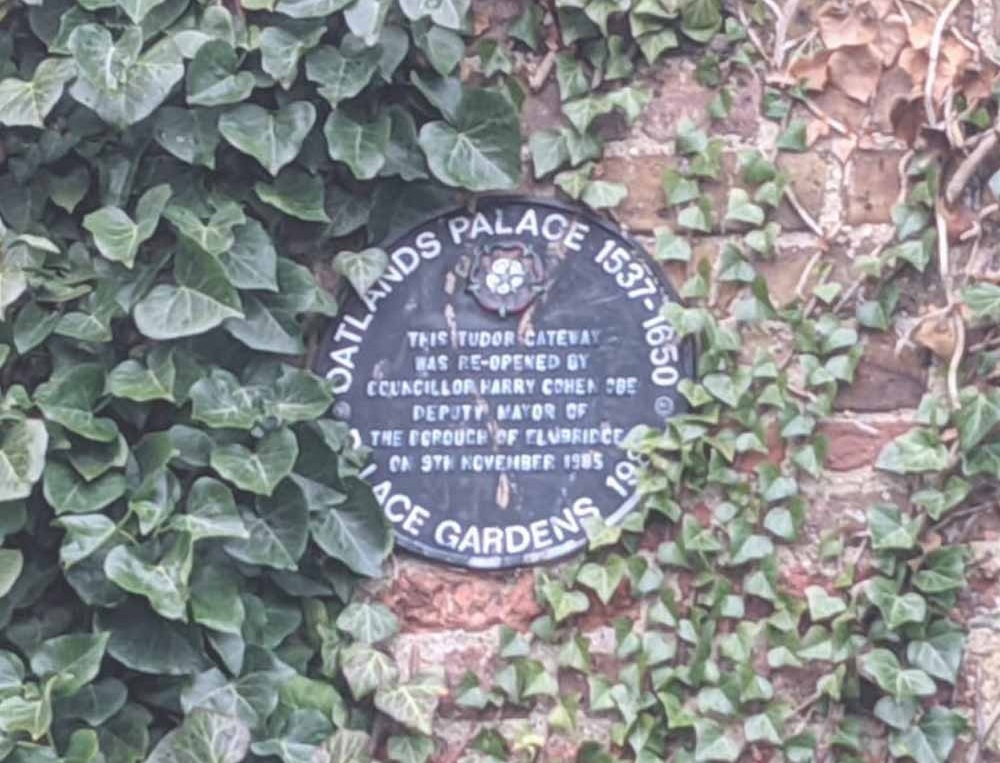
The walls of Oatlands Palace
There are some remnants of the magnificent walls of the Oatlands Tutor Palace which are a mere ten-minute walk from the Hotel well worth exploring.
A five-minute saunter further is the Wey Canal where you can see the Tutor bricks originally from the Palace along the waterline.
Picture: The plaque of Oatlands Palace remaining wall, with the writing "This Tudor gateway was re-opened by Councillor Harry Cohen OBE, Deputy Mayor of the Borough of Elmbridge in 1985."
The Georgean Era
After a period (1650-1725) in which the estate did not possess a major Property, "a barren place" according to diarist John Evelyn in 1687, Henry Clinton, the Earl of Lincoln (1684-1728) built the first Oatlands House in 1725. He also undertook vast landscape improvements from 1760 to 1778 that we can still enjoy today.
The Broad Water was fashioned after the magnificent landscapes by the artists Nicholas Poussin (1594-1665) and Claude Lorrain (1600-1682).
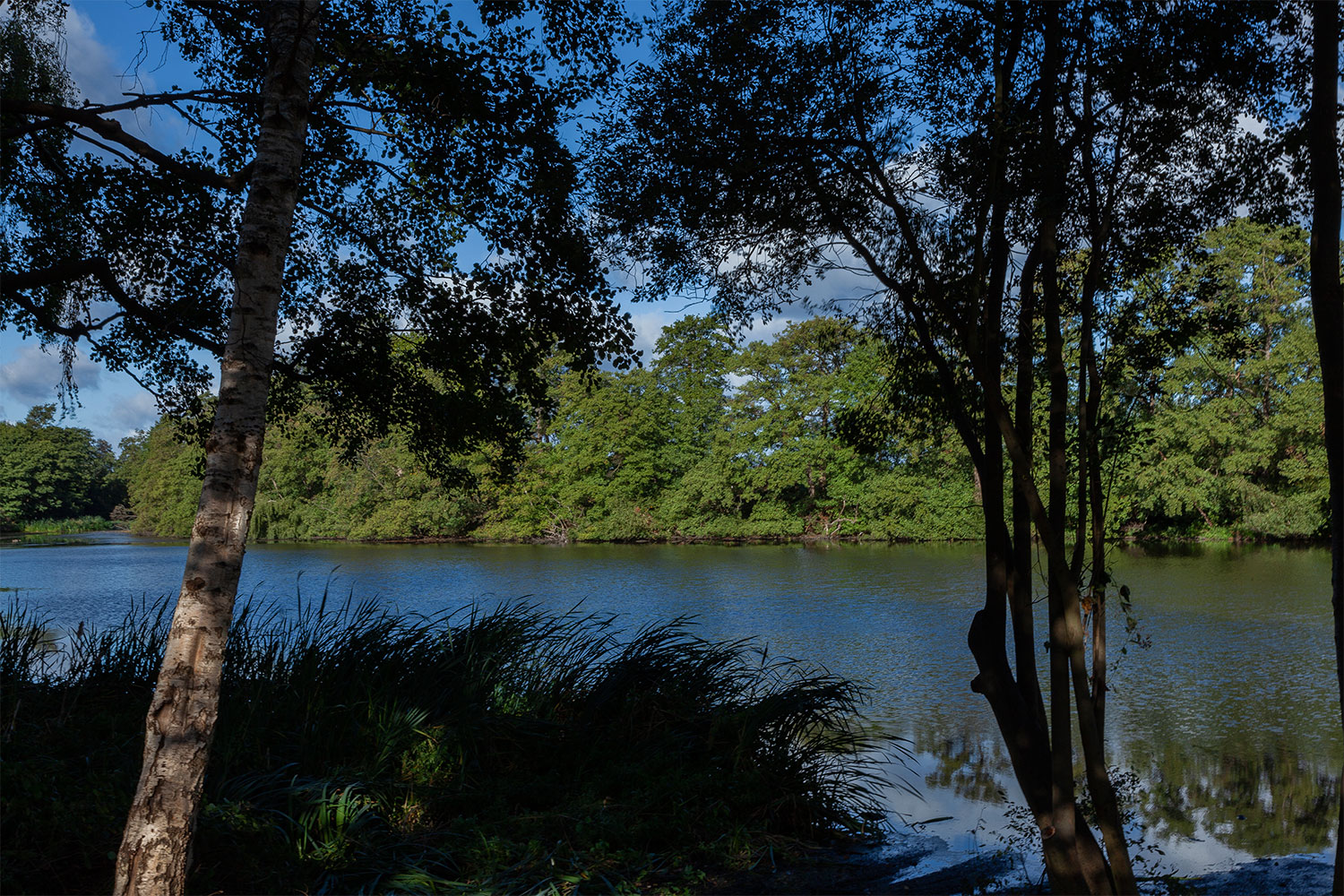
You can enjoy today a splendid view of the Hotel from the public footpath that runs along the North side of Broad Water.
There is currently a conservation group working to preserve the water quality for the plant life and animals that thrive within. The path can be accessed by a short 15-minute walk from the entrance of the Hotel adjacent to the local primary school just off Grenside Road.
Walking along the entire length and back would take a little over one hour, with lovely views of the luxurious houses and apartments that line the water today. There are also a variety of birds and plant life that bask in the splendid tranquillity.
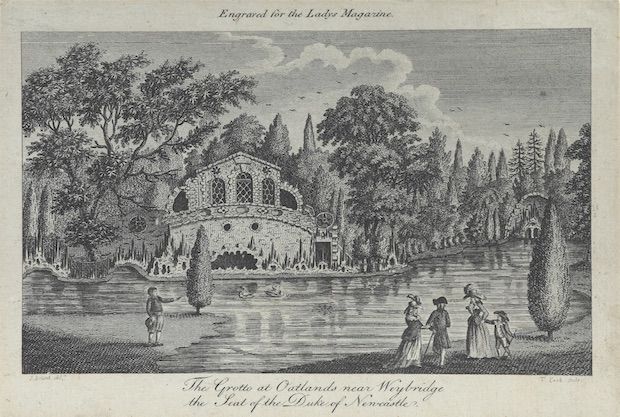
The building of a Grotto Pavillion
A grotto pavilion was also built nearby as part of the new landscaping during the same period. It featured unusual natural decorations including volcanic rock, ancient sea fossils, coral and a statue of the “Venus de Medici.” An upper room was used for drinking tea and entertaining guests. Unfortunately, this structure fell into disuse and was demolished after World War II. However, some elements were saved and are currently in the Elmbridge Museum in Esher.
There was a fire at Oatlands House in 1794 and the new owner, the Duke of York (1763-1827), took the opportunity to rebuild it.
History is a loop
Known as the "Soldier’s Friend," Frederick, the Duke of York, transformed the British Army from a disorganized force into a professional machine. His most enduring legacy was founding the Royal Military College (now Sandhurst), ensuring officers were trained professionals rather than just wealthy aristocrats.
He standardized drill regulations, improved medical care and food for the rank-and-file, and curbed the worst abuses of the commission-purchase system. While personal scandals often grabbed headlines, his administrative genius was vital; the Duke of Wellington famously credited Frederick’s reforms at the infamous Horse Guards for the army's ultimate victory at Waterloo.
While the Duke of York spent most of his time in London away from his wife, Princess Frederica Charlotte of Prussia (the Duchess of York), she lived at Oatlands House. In 1806, he was involved with a scandal with his mistress Mary Clarke. Mary Clarke was discovered selling military commissions, leading many to believe the Duke was complicit or profiting.
A massive parliamentary inquiry followed. While Frederick was eventually cleared of personal corruption, the public outcry over his "gross negligence" (White, 1999) forced his resignation. He was reinstated two years later, but the scandal remains a famous moment in British political history.
History is a loop; nothing ever really changes.
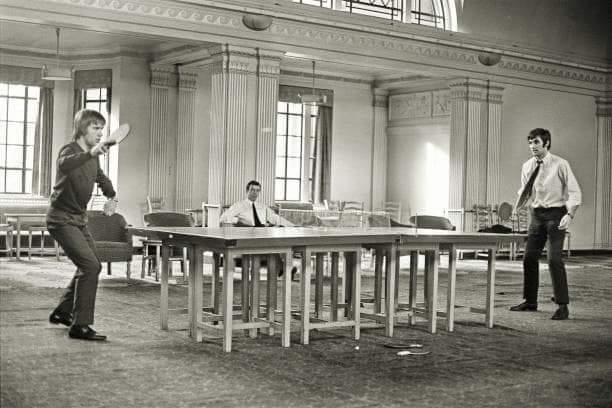
Big names at Oatlands: George Best in the York Suite
Since opening its doors in 1856, Oatlands Park Hotel has welcomed everyone from historic royalty to Premier League stars and international sporting icons. Truly, we’ve been hosting big household names since 1856.
Pictured his a photo from the archives of footballing great George Best returning a serve in a game of table tennis at Oatlands Park.
Who will you spot on your next visit?
Last updated